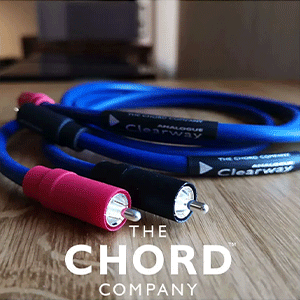
When people ask whether audio cable quality matters, the real answer is yes, but not in the way marketing often suggests. For home audio—especially with turntables, amplifiers, and speakers—the differences are real, but they’re mostly about build quality, shielding, and proper matching, not exotic materials or ultra‑expensive cables. Here’s a clear breakdown for speaker cables and analogue (RCA/phono) cables. Speaker Cables Speaker cables carry a high‑level signal from your amplifier to your speakers. Because the signal is strong, they’re less sensitive to noise and interference than analogue interconnects. What actually matters: Correct thickness (gauge) A thicker cable (lower gauge number) is better for longer runs.For most home setups: Up to 3–5 meters: 16 AWG is fine Longer runs or big speakers: 14 or 12 AWG Good copper quality Standard oxygen‑free copper (OFC) is perfectly fine.You don’t need silver‑plated or exotic materials. Solid connectors Banana plugs or bare wire both work.The important part is a clean, tight connection. What doesn’t matter much: Fancy braiding Gold‑plated everything Ultra‑premium brands costing hundreds Speaker cables don’t change the tone of your system. They just need to be thick enough and well‑made. Analogue Cables (RCA / Phono Cables) Analogue cables carry a low‑level signal, especially from a turntable. This makes them more sensitive to noise, hum, and interference. What actually matters: Shielding Good shielding prevents hum, buzzing, and radio interference.This is especially important for turntables. Low capacitance Too much capacitance can affect the sound of MM cartridges.Many phono preamps specify an ideal range. Secure connectors Tight, well‑made RCA plugs reduce noise and signal loss. What doesn’t matter much: Ultra‑expensive “audiophile” cables Exotic metals Marketing claims about “night‑and‑day” improvements A well‑shielded, properly built RCA cable is all you need. So… does cable quality matter? Yes, but only to a point. You don’t need expensive cables—you need appropriate cables. For speaker cables, focus on quality and durability. For analogue cables, focus on shielding and low capacitance. Once you meet those requirements, spending more doesn’t give you better sound.