SPEAKERS - ACTIVE OR PASSIVE

When people start exploring domestic home speakers, one of the first big distinctions they run into is the difference between passive and active designs. It’s a simple split on the surface—one needs an external amplifier, the other has one built in—but that single difference shapes everything from how you build your system to how the speakers behave in your room. It’s completely normal to have questions here, because the choice affects sound quality, flexibility, upgrade paths, and even the number of cables running across your floor.
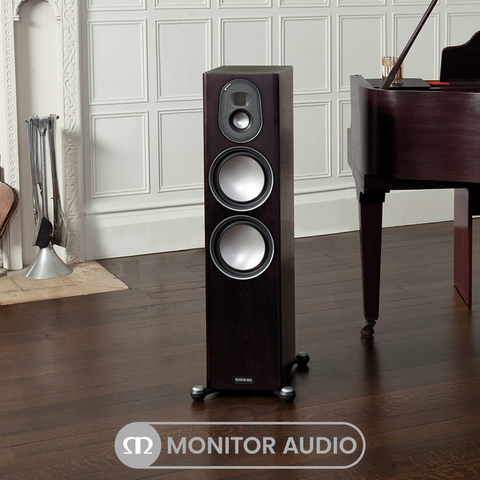
Passive speakers are the traditional route in home audio. They rely on an external amplifier or receiver, which means you get to choose exactly how much power, what kind of sonic character, and what features you want driving them. This setup appeals to people who enjoy mixing and matching components or upgrading piece by piece over time. The trade-off is that you need to think about matching the amp to the speakers—impedance, sensitivity, and room size all matter. But that’s also where the fun is: you can shape the system to your taste.

Active speakers, on the other hand, simplify the entire chain. Each speaker has its own built‑in amplification, often tuned specifically for the drivers inside. That can mean cleaner performance, fewer boxes, and a more plug‑and‑play experience. Many modern active speakers also include digital inputs, Bluetooth, or streaming features, making them feel more like complete systems rather than just speakers. The limitation is that you can’t swap out the amplifier later, so your upgrade path is more about replacing the whole speaker rather than tweaking individual components.

Both approaches have their strengths, and the “better” choice depends on what kind of experience you want at home—flexibility and modularity, or simplicity and integration. If you like, you can tell me what kind of room you’re working with or what music you enjoy, and I can help you think through which direction might fit you best.