Belt Drive Vs Direct Drive Turntables | Which Is Better?

Belt Drive Vs. Direct Drive Turntables: Which Is Better?

If you're shopping for a turntable, one of the first decisions you'll come across is whether to choose a belt drive or direct drive design. While both spin records at the correct speed, they achieve this in different ways, and each offers its own advantages.
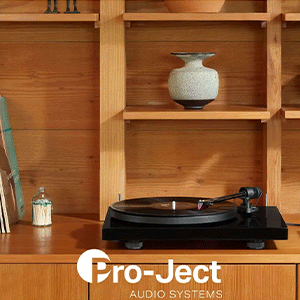
For most home hi-fi enthusiasts, a belt-drive turntable is often the preferred choice, while direct-drive models are popular among DJs and listeners who prioritise speed accuracy and durability.

What Is a Belt-Drive Turntable?

A belt-drive turntable uses an elastic belt to connect the motor to the platter. The belt isolates the platter from motor vibrations, helping to reduce unwanted noise and improve sound quality.

Popular belt-drive turntables include the following:

Advantages Of Belt Drive Turntables

  • Reduced motor vibration reaching the stylus
  • Excellent sound quality for music listening
  • Simpler design
  • Often preferred by audiophiles
  • Wide range of upgrade options

Disadvantages of Belt-Drive Turntables

  • Belts wear over time and eventually need replacement
  • Slower start-up speed
  • Speed can vary slightly as belts age

What Is A Direct Drive Turntable?

A direct-drive turntable places the motor directly beneath the platter, eliminating the need for a belt. The platter itself becomes part of the motor assembly.

Popular direct-drive turntables include the following:

Advantages Of Direct Drive Turntables

  • Outstanding speed accuracy
  • Fast start-up time
  • Very durable design
  • No belts to replace
  • Ideal for DJ use

Disadvantages Of Direct-Drive Turntables

  • More complex motor design
  • Historically associated with higher motor vibration, although modern designs have greatly reduced this issue
  • Often more expensive at comparable performance levels

Which Sounds Better?

For dedicated music listening, many audiophiles prefer belt-drive turntables because the belt helps isolate motor noise from the platter.

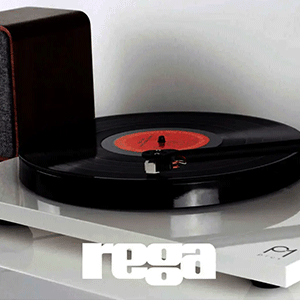
Brands such as Rega and Pro-Ject have built their reputations around belt drive designs that focus on musicality, detail, and natural sound reproduction.

However, modern direct-drive turntables from Technics offer exceptional performance and have become highly regarded in audiophile circles. Models such as the Technics SL-1500C and SL-1200GR2 combine superb speed stability with impressive sound quality.

The reality is that a well-designed turntable of either type can sound excellent.

Which Is Better For Beginners?

For most first-time vinyl enthusiasts, a belt-drive turntable is often the best starting point.

Models such as the Rega Planar 1 or Pro-Ject Debut EVO 2 offer:

  • Excellent sound quality
  • Easy setup
  • Simple operation
  • Strong upgrade potential

If you also want features such as electronic speed control, quick start-up, or future DJ use, a direct-drive model may be worth considering.

Which Should You Buy?

Choose a belt drive turntable if:

  • Your focus is music listening
  • You want the best sound quality for your budget
  • You enjoy upgrading components over time
  • You're building a dedicated hi-fi system

Choose a direct-drive turntable if:

  • You value speed accuracy
  • You want minimal maintenance
  • You need quick start-up
  • You may use the turntable for DJ applications

Our Recommendation

For most Vinyl Revival customers building a home hi-fi system, we typically recommend a quality belt-drive turntable such as the Rega Planar 1, Planar 2, Planar 3, or Pro-Ject Debut EVO 2.

For listeners seeking absolute speed stability and long-term durability, the Technics SL-1500C and SL-1200GR2 are outstanding direct-drive alternatives.

The best choice ultimately depends on how you listen to music, your budget, and the type of system you're building.