
What Components Do You Need for a Vinyl Setup
Here's a humanised, SEO-focused article draft designed to target users searching for complete vinyl setups while naturally positioning Vinyl Revival as the solution.
What Components Do You Need for a Vinyl Setup? A Complete Beginner-to-Audiophile Guide
There's something special about listening to vinyl. The ritual of placing a record on the turntable, gently lowering the stylus, and hearing music come alive through a dedicated hi-fi system creates an experience that streaming simply can't replicate.
But if you're new to vinyl, figuring out exactly what equipment you need can feel overwhelming. Turntables, phono preamps, amplifiers, passive speakers, active speakers, cables—it can quickly turn into a maze of technical jargon.
The good news? Building a great vinyl listening setup is much simpler once you understand the role of each component and how they all work together. Whether you're assembling your first record player system or upgrading to a more serious hi-fi setup, this guide will walk you through everything you need.
The Five Essential Components of a Vinyl Setup
A complete vinyl system typically consists of:
-
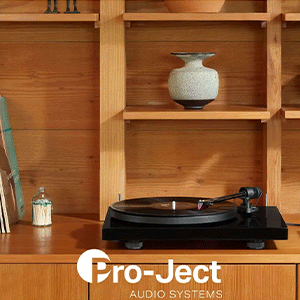
Turntable
-
Phono Preamp
-
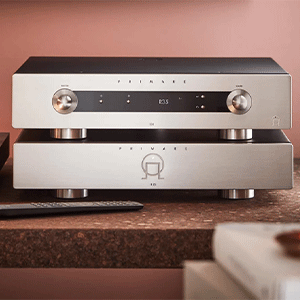
Amplifier
-
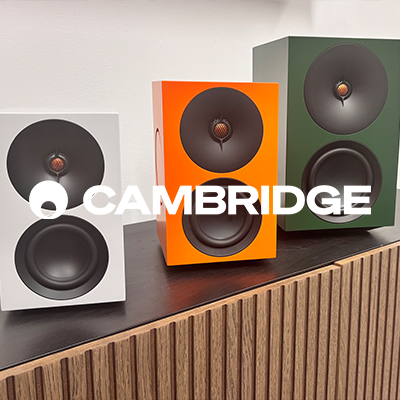
Speakers
-
Cables and Connections
Think of it as a chain. Each component has a specific job, and they all work together to deliver the best possible sound from your records.
1. Turntable: The Heart of Your Vinyl System
The turntable is where your vinyl journey begins.
Its job is to spin the record at a precise speed while the cartridge and stylus (needle) track the grooves and convert those physical vibrations into an electrical signal.
What to Look For in a Turntable
When choosing a turntable, consider:
-
Build quality and stability
-
Cartridge quality
-
Belt-drive vs direct-drive design
-
Adjustable tonearm features
-
Upgrade potential
Many entry-level turntables include a built-in phono preamp, which simplifies setup. More advanced models often leave the phono stage separate, allowing for greater performance and customisation.
A quality turntable provides the foundation for everything else in your system. Even the best speakers can't recover information that wasn't accurately extracted from the record in the first place.
2. Phono Preamp: The Unsung Hero
One of the most misunderstood components in vinyl playback is the phono preamp.
The signal coming from a turntable cartridge is incredibly small—far too weak to be played directly through an amplifier or speakers.
A phono preamp performs two critical jobs:
-
Boosts the cartridge signal to line level
-
Applies RIA An equalisation, restoring the music's original frequency balance
Without a phono preamp, your records would sound hushed and lack proper bass and detail.
Built-In vs External Phono Preamps
Many beginner-friendly turntables include a built-in phono stage. This is convenient and cost-effective.
However, external phono preamps often deliver the following:
-
Lower noise levels
-
Greater detail retrieval
-
Improved dynamics
-
Better upgrade flexibility
As your system grows, upgrading the phono stage can produce surprisingly noticeable improvements.
3. Amplifier: The Powerhouse
The amplifier takes the music signal and provides the power needed to drive your speakers.
Think of it as the engine of your hi-fi system.
Types of Amplifiers
Integrated Amplifier
This is the most popular choice among vinyl enthusiasts.
An integrated amplifier combines the following:
-
Preamplifier functions
-
Power amplification
into a single unit.
Stereo Receiver
Similar to an integrated amplifier but often includes:
-
Radio tuner
-
Additional connectivity features
Separate Components
Advanced systems may use:
-
Dedicated preamplifiers
-
Separate power amplifiers
This approach offers maximum performance but comes with increased complexity and cost.
Do You Need a Phono Input?
Some amplifiers include a built-in phono stage.
If yours does, you may not need a separate phono preamp.
If it doesn't, you'll need either:
-
A turntable with a built-in phono preamp, or
-
A dedicated external phono stage
4. Speakers: Bringing Your Records to Life
Speakers are where your music finally becomes sound.
They have a huge influence on how your vinyl collection ultimately sounds in your listening room.
Passive Speakers
Passive speakers require an external amplifier.
Benefits include:
-
Greater upgrade flexibility
-
Wider product selection
-
Often better long-term value
Most traditional hi-fi systems use passive speakers.
Active Speakers
Active speakers contain built-in amplification.
Benefits include:
-
Simpler setup
-
Fewer components
-
Space-saving design
Many beginners choose active speakers because they reduce system complexity while still delivering excellent sound quality.
Speaker Placement Matters
Even the best speakers can underperform if positioned poorly.
For optimal results:
-
Keep speakers at ear height
-
Allow some distance from walls
-
Create an equilateral triangle with your listening position
-
Experiment with toe-in angles
Proper placement often improves sound more than upgrading equipment.
5. Cables: The Connective Tissue
While cables aren't the most exciting purchase, they're essential for connecting your entire system.
Typical connections include:
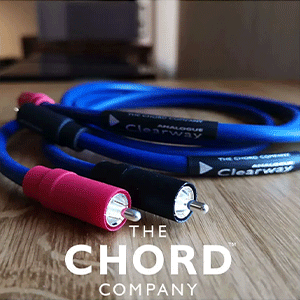
RCA Interconnects
Used between:
-
Turntable and phono preamp
-
Phono preamp and amplifier
Speaker Cable
Used between:
-
Amplifier and passive speakers
Power Cables
Every active component requires power.
Ground Wire
Many turntables include a ground wire that connects to the phono preamp or amplifier to eliminate unwanted hum.
You don't need to spend a fortune on cables, but investing in well-made, properly shielded options helps ensure reliable performance.
How Everything Connects Together
A traditional vinyl setup follows this signal path:
Turntable → Phono Preamp → Amplifier → Speakers
Depending on your equipment, some stages may be combined.
For example:
Simplified Setup
Turntable with built-in phono stage → Active Speakers
Traditional Hi-Fi Setup
Turntable → External Phono Preamp → Integrated Amplifier → Passive Speakers
Advanced Audiophile Setup
Turntable → Premium Phono Stage → Preamplifier → Power Amplifier → High-End Speakers
Recommended Vinyl Setup Tiers
Budget Vinyl Setup ($500–$1,200)
Perfect for beginners entering the vinyl hobby.
Typical components:
-
Entry-level turntable
-
Built-in phono stage
-
Integrated amplifier or active speakers
-
Basic speaker cable and interconnects
Ideal for:
-
First-time vinyl collectors
-
Smaller rooms
-
Casual listening
This level already delivers a substantial improvement over Bluetooth speakers and entry-level all-in-one record players.
Mid-Range Vinyl Setup ($1,200–$3,500)
The sweet spot for many enthusiasts.
Typical components:
-
Higher-quality turntable
-
Dedicated phono preamp
-
Integrated amplifier
-
Quality passive bookshelf or floor-standing speakers
Benefits:
-
Greater detail and clarity
-
Improved soundstage
-
Better bass control
-
More upgrade flexibility
Many listeners find this level provides all the performance they'll ever need.
Premium Vinyl Setup ($3,500+)
For serious music lovers seeking exceptional performance.
Typical components:
-
Audiophile-grade turntable
-
High-end phono stage
-
Premium amplification
-
Reference-quality speakers
Benefits:
-
Exceptional detail retrieval
-
Outstanding dynamics
-
Superior realism
-
Long-term upgrade paths
A well-matched premium system can reveal nuances in recordings that many listeners never knew existed.
Why Component Matching Matters
One of the biggest mistakes newcomers make is focusing too heavily on a single component.
A fantastic turntable paired with inadequate speakers won't reach its potential.
Likewise, premium speakers can't compensate for weaknesses earlier in the signal chain.
The goal is balance.
Every component should complement the others, creating a system where performance is evenly matched from source to speaker.
Making Vinyl Setup Simple
While building a vinyl system can seem complicated at first, the process becomes much easier when you buy from specialists who understand component matching.
That's where Vinyl Revival helps remove the guesswork.
Rather than forcing customers to research countless combinations of turntables, amplifiers, phono stages, and speakers, Vinyl Revival offers carefully curated bundle packages designed to work seamlessly together. These systems are assembled with compatibility and sound quality in mind, making it easy for beginners and experienced listeners alike to build a complete vinyl setup with confidence.
Instead of wondering whether your amplifier has the right inputs or whether your speakers are a perfect match, you can focus on what really matters—enjoying your record collection.
Final Thoughts
Building a vinyl listening setup doesn't have to be intimidating. Once you understand the role of each component—turntable, phono preamp, amplifier, speakers, and cables—the process becomes much more straightforward.
Whether you're starting with a simple entry-level system or investing in a premium hi-fi setup, the key is choosing components that work well together and suit your listening goals.
And if you'd rather skip the complexity entirely, curated vinyl system packages from specialists like Vinyl Revival offer one of the easiest ways to get a complete, properly matched setup that lets you enjoy your records from day one.
This version is written to rank for terms such as "what components do you need for a vinyl setup?", "vinyl setup guide", "complete vinyl system", "turntable amplifier speakers setup", and "how to build a vinyl listening system" while maintaining a conversational, trustworthy tone that appeals to both beginners and enthusiasts.